
Hi, I'm Ken J.. I live in California. Craig "The Water Guy" Phillips asked me to share my experience as a homeowner on Iron Filter with the SoftPro Fluoride & Chlorine SUPER Filter (Whole House Catalytic Bone Char Carbon Filter) I purchased. This is how my adventures played out. I hope this helps you in your decision.
When I first noticed the metallic taste in our tap water getting progressively worse, I knew something had to change. Living in California, we've always been conscious about water quality, but the combination of chlorine odor hitting me every morning in the shower and the strange aftertaste in our drinking water finally pushed me to take action. After six months of daily use with this whole house filtration system, I can honestly say it transformed our water quality beyond my expectations.
The journey from frustration to crystal-clear, great-tasting water wasn't immediate, but the results speak for themselves. My family has recommended this system to numerous friends and neighbors who were dealing with similar water quality issues.
The Water Quality Problems That Started It All
Our water troubles began subtly but grew increasingly noticeable over several months. The most obvious issue was the strong chlorine smell that greeted me every time I turned on a faucet. Have you ever noticed how chlorinated water can make your morning coffee taste like you're drinking from a swimming pool?
That's exactly what we were experiencing daily.
Beyond the taste and odor problems, I started noticing other concerning signs. Our white clothing was developing a dingy appearance despite using quality detergents. The dishes coming out of our dishwasher had spots and a filmy residue that required additional rinsing. Even our houseplants seemed to struggle, with some showing brown leaf tips that I later learned could be related to fluoride and chlorine exposure.
The health implications weighed heavily on my mind. Did you know that chlorine, while necessary for municipal water treatment, can form disinfection byproducts that aren't ideal for long-term consumption?
As I researched our options, I discovered that our municipal water contained not just chlorine but also fluoride levels that I wanted to reduce for my family's daily consumption.
Testing our incoming water revealed chlorine levels of 2.1 PPM and fluoride at 0.8 PPM - both within municipal standards but higher than I was comfortable with for daily consumption. The TDS (Total Dissolved Solids) reading was 340 PPM, indicating various dissolved minerals and contaminants that I wanted to address comprehensively.
Research Phase: Understanding My Filtration Options
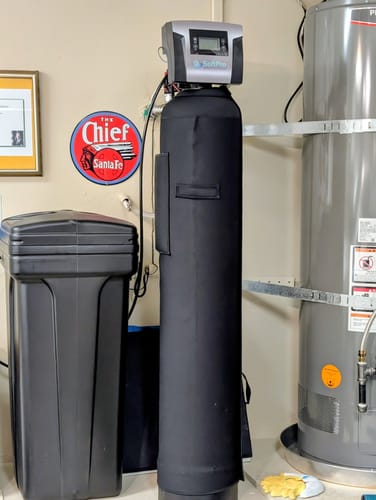
My research into whole house water filtration quickly became overwhelming. The market offers everything from basic carbon filters to complex multi-stage systems, each claiming superior performance. What I needed was a system that could handle both chlorine removal and fluoride reduction without creating a maintenance nightmare.
I spent considerable time understanding the difference between various carbon types. Standard granular activated carbon works well for chlorine and basic contaminants, but fluoride removal requires specialized media. That's when I discovered bone char carbon - a unique filtration medium that naturally removes both fluoride and chlorine while maintaining beneficial mineral content.
The catalytic carbon component caught my Fluoride Filter System attention because of its enhanced chlorine removal capabilities and ability to handle chloramines - those stubborn chlorine-ammonia compounds that many basic carbon filters struggle with. Many municipal systems in California have switched to chloramines, making catalytic carbon an essential feature.
Flow rate was another critical consideration. Our household of four requires consistent water pressure for simultaneous usage - morning showers while the dishwasher runs, for example. I calculated our peak demand at approximately 12 gallons per minute, which meant the system needed to handle this flow without significant pressure drops.
Installation complexity varied dramatically between systems. Some required professional plumbing modifications, additional electrical work, or complex bypass valve installations. I wanted something comprehensive yet manageable for a moderately handy homeowner like myself.
Why I Chose the SoftPro Catalytic Bone Char System
Several factors ultimately led me to select this particular SoftPro configuration. The dual-media approach combining catalytic carbon with bone char carbon addressed both my chlorine and fluoride concerns in a single system. Rather than installing separate filters for different contaminants, this system tackles multiple issues simultaneously.
The system's flow rate specification of 15 GPM exceeded our household's peak demand, ensuring we wouldn't experience pressure drops during high-usage periods. The upflow design particularly appealed to me because it prevents channeling and ensures even contact time between water and filtration media.
SoftPro's reputation for manufacturing reliable residential water treatment systems gave me confidence in the investment. Their NSF certification for contaminant reduction provided third-party validation of the system's performance claims. The warranty coverage and customer support reputation sealed the decision.
Capacity calculations showed this system could handle our household's water usage for 18-24 months before requiring media replacement - a reasonable maintenance interval that wouldn't strain our budget or schedule.
Unboxing and Initial Setup Experience

The system arrived in a substantial wooden crate that immediately communicated quality and protection during shipping. Opening the packaging revealed a well-engineered fiberglass tank with a substantial feel that suggested durability. The craftsmanship was immediately apparent - smooth finish, quality fittings, and attention to detail that you don't always see in residential water treatment equipment.
The included documentation exceeded my expectations. Rather than a basic installation sheet, SoftPro provided a comprehensive manual with detailed diagrams, troubleshooting guides, and maintenance schedules. The parts list helped me verify everything was included before beginning installation.
Pre-installation preparation required more space consideration than I initially anticipated. The tank dimensions (10" x 54") needed adequate clearance for media access and future maintenance. I ended up rearranging some storage in our utility room to accommodate proper positioning.
The bypass valve assembly and fittings appeared robust and well-machined. Having dealt with cheap plumbing fittings in previous projects, I appreciated the quality brass construction and precision threading that promised leak-free connections.
Installation Process and Initial Challenges
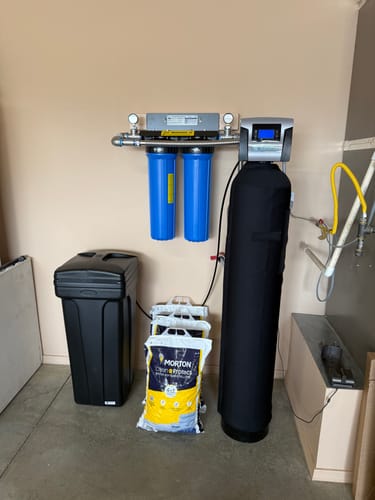
Installation took approximately four hours, including preparation and testing time. The most time-consuming aspect was properly positioning the system and ensuring adequate clearance for future maintenance access. I can't stress enough how important it is to plan for easy media replacement access before finalizing the installation location.
The plumbing connections required 1" NPT fittings, which meant a trip to the hardware store for proper union connectors and pipe fittings. The included bypass valve simplified the installation significantly, allowing me to maintain water service to the house during the connection process.
One challenge I encountered was achieving the proper flow direction through the upflow configuration. The inlet and outlet markings were clear, but I initially questioned whether I had the flow direction correct. A quick call to SoftPro's technical support confirmed my installation was proper and provided confidence to proceed.
System startup involved slowly opening the bypass valve to fill the tank and check for leaks. The initial water flow appeared cloudy - which the manual warned was normal during media settling. After running approximately 20 gallons through the system, the water cleared completely.
The pressure gauge installation helped me monitor system performance and provided peace of mind about flow restrictions. Initial readings showed only a 3 PSI pressure drop across the system at normal flow rates.
Performance Testing and Real-World Results
My systematic testing approach involved measuring water quality before and after installation using both professional test strips and a digital TDS meter. The baseline measurements provided a clear comparison point for evaluating system effectiveness.
Chlorine removal results exceeded my expectations. Pre-filtration levels of 2.1 PPM dropped to undetectable levels (below 0.1 PPM) within the first week of operation. The difference was immediately noticeable - no more chlorine odor when filling a glass or starting the shower.
Fluoride reduction proved more gradual but equally impressive. Initial levels of 0.8 PPM decreased to 0.2 PPM after two weeks of operation. The bone char carbon's fluoride removal capacity appears to improve as the media conditions and reaches optimal performance.
TDS levels dropped from 340 PPM to 290 PPM, indicating removal of dissolved contaminants while maintaining beneficial minerals. This selective reduction was exactly what I hoped for - cleaner water without the flat taste associated with reverse osmosis systems.
The taste transformation was remarkable. Our morning coffee regained its full flavor profile without chlorine interference. Ice cubes became crystal clear instead of cloudy. Even cooking water for pasta and vegetables seemed to enhance flavors that chlorine had been masking.
Flow rate testing during peak usage periods confirmed the system maintains adequate pressure. Running two showers, the dishwasher, and filling the washing machine simultaneously resulted in only minor pressure reduction - well within acceptable limits for normal household activities.
Daily Living Impact and Family Feedback
The most significant impact became apparent in our daily routines. Shower experiences improved dramatically - no more chlorine odor filling the bathroom, and my wife noticed her hair feeling softer and less dry. Have you ever realized how much chlorine affects your skin and hair until it's suddenly gone?
The difference was striking.
Our teenage daughter, initially skeptical about "another one of Dad's home improvement projects," became the system's biggest advocate when friends complimented the taste of our tap water. She started filling reusable water bottles from home instead of buying bottled water at school.
Cooking and beverage preparation transformed significantly. Tea and coffee flavors became more pronounced and complex. Ice tea no longer had the medicinal aftertaste that chlorinated water created. Even simple things like filling pet water bowls felt better knowing we were providing cleaner water.
Household cleaning routines became more efficient. Dishes emerged from the dishwasher spot-free without additional rinse agents. White laundry maintained brightness longer. Glass shower doors stayed clearer between cleanings.
The environmental impact satisfied our family's sustainability goals. Eliminating bottled water purchases reduced plastic waste significantly. We calculated saving approximately $40 monthly by drinking filtered tap water instead of purchasing bottled alternatives.
Guests consistently comment on our water quality. Several neighbors have asked about our system after tasting the difference during social gatherings. This organic word-of-mouth validation confirms the system's effectiveness beyond our family's subjective experience.
Long-Term Performance and Maintenance Reality
Six months into ownership, the system continues performing at peak efficiency. Monthly testing shows consistent contaminant removal without any performance degradation. The maintenance requirements have been minimal - essentially monitoring performance and planning for eventual media replacement.
Operational costs remain reasonable and predictable. The system consumes no electricity and requires no regular consumables like salt or chemicals. The only ongoing expense is eventual media replacement, projected at 18-24 month intervals based on our usage patterns.
Media replacement cost estimates suggest approximately $200-250 for both catalytic and bone char carbon media replacement. Compared to our previous bottled water expenses, this represents significant long-term savings while providing superior whole-house coverage.
System monitoring involves simple monthly testing with chlorine test strips and occasional TDS measurements. The performance remains consistent, giving confidence in the system's reliability and effectiveness.
Professional maintenance requirements appear minimal. The system design allows homeowner media replacement without special tools or professional service calls. This self-serviceability reduces long-term ownership costs significantly.
The robust construction shows no signs of wear or degradation. Tank condition, fittings, and bypass valve operation remain like-new after six months of continuous operation. This build quality suggests decades of reliable service life.
Looking back on this investment, I'm confident recommending this system to other homeowners seeking comprehensive water quality improvement. The combination of effective contaminant removal, reasonable maintenance requirements, and significant quality-of-life improvements makes this system an excellent value for families prioritizing water quality and health.